UK Casino ID Checks and Fast Withdrawal Payment Rules
 Available in US
Payment pages can feel simple because the deposit screen is often the easiest part of an online gambling account. The harder questions usually appear later: when identity documents are requested, a withdrawal is delayed, a payment method is restricted, a term is applied, or a complaint begins. A careful reader should inspect those questions before sending money or personal documents, especially when a site is promoted as outside GAMSTOP.
This page is not a list of payment methods and it does not promise withdrawal times, fees or limits. Those details differ by business and can change. The useful job here is to show what to read: identity checks, credit-card rules in a GB-licensed context, withdrawal wording, customer-fund protection, privacy information and complaint routes.
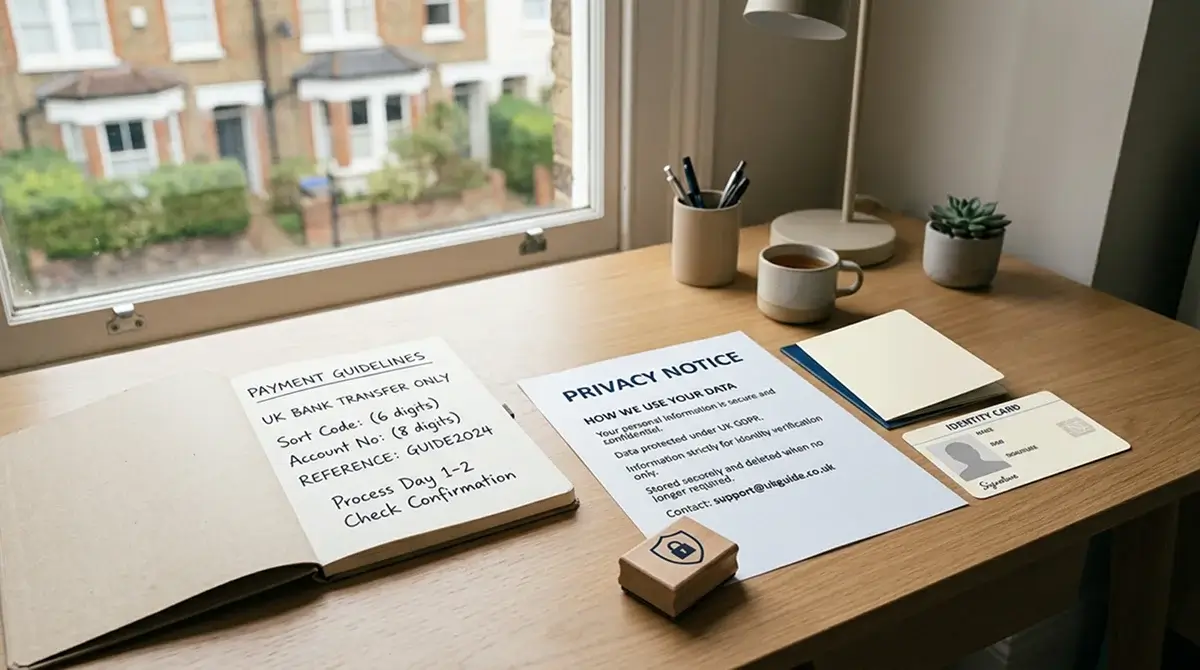
Table of Contents
- UK Casino Identity Checks and Account Verification Rules
- Money and verification checks to make before depositing
- Deposits are not proof that withdrawals will be simple
- Customer funds and privacy deserve a separate check
- When a payment issue becomes a complaint
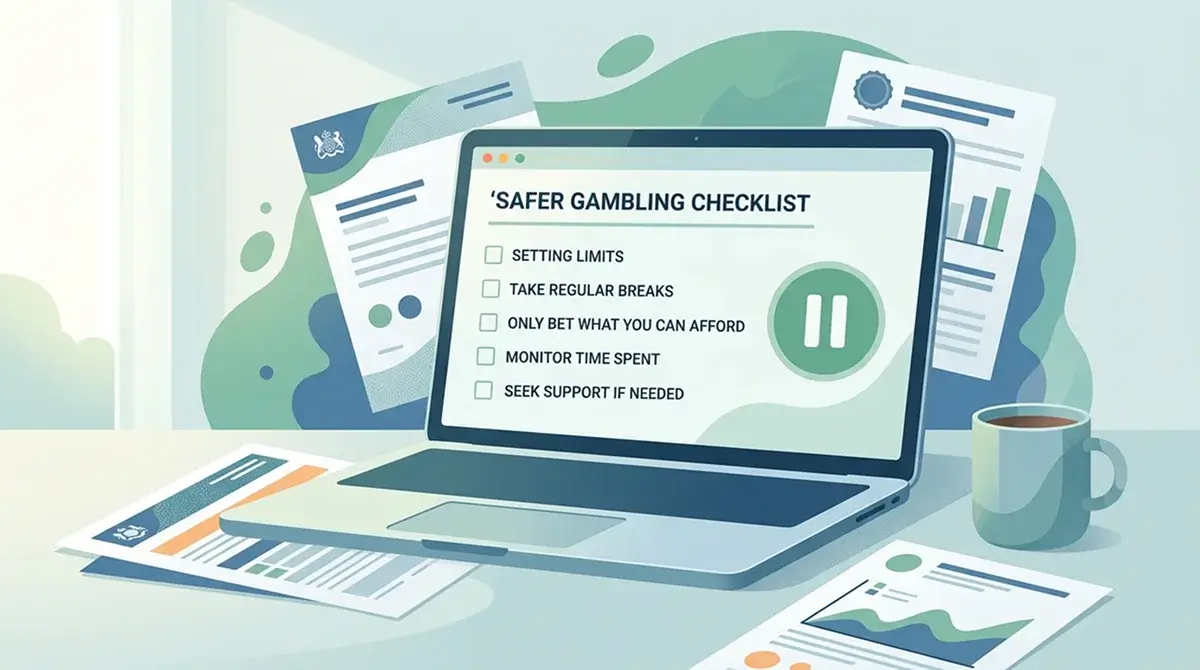
- If deposits are becoming hard to control
- Official pages to use yourself
UK Casino Identity Checks and Account Verification Rules
Relevant GB remote licensees must verify customer identity, including name, address and date of birth, before gambling. That requirement is not a minor formality. It is connected to age checks, account integrity and safer gambling responsibilities. A website that presents “no verification” as a main benefit may be attractive to someone who wants fast access, but it should also raise questions about how the site handles protection, fraud risk and later withdrawals.
Read the verification wording before you deposit. Look for when documents may be requested, what types of information may be needed, how the business explains delays, and whether withdrawal terms are tied to account checks. If the site says documents can be requested only after a withdrawal, ask whether you are comfortable with money being inside the account before you know how verification will work.
Do not look for ways to avoid identity checks. If a site or advert implies that you can gamble without meaningful checks, treat that as a risk signal rather than a benefit. If a protection tool is stopping you from gambling, the better next step is support, not a payment route that promises fewer questions.
Money and verification checks to make before depositing
| Item to read | Why it matters | Warning sign | Safer next step | Boundary |
|---|---|---|---|---|
| Identity verification terms | They explain what information may be needed before play or withdrawal. | The site markets no checks or hides when documents are required. | Read the terms before depositing and compare them with the licence context. | This does not prove a site is unsafe; it tells you what is unclear. |
| Payment method rules | GB-licensed operators in relevant sectors must not accept credit cards for gambling. | A site encourages credit-card gambling while claiming to serve GB players. | Pause and check the licence and payment terms carefully. | Do not infer every legal detail without checking the business and jurisdiction. |
| Withdrawal wording | Withdrawals can be affected by verification, account terms and risk checks. | Only deposit speed is promoted, while withdrawal conditions are hard to find. | Find limits, review times, document triggers and complaint steps before funding. | Do not rely on forum claims or an advert as a guarantee. |
| Customer-fund protection statement | Operators that hold customer funds must disclose the level and method of protection. | No clear explanation of how player balances are protected. | Read the customer-fund wording and understand that protection levels can differ. | Do not call funds protected unless the terms clearly support it. |
| Privacy information | Clear privacy information should explain who collects data, why it is collected and the lawful basis. | Vague data wording, hidden controller details or unclear sharing practices. | Read the privacy notice before uploading documents or payment information. | This is a data-readiness check, not a full legal assessment. |
Deposits are not proof that withdrawals will be simple
A common mistake is to treat a successful deposit as evidence that the account is fully accepted. Deposits and withdrawals are not the same decision. A business may accept a payment quickly and still require identity checks, affordability-related information, fraud checks or term reviews before releasing funds. Some of those checks may be legitimate in the right context, but they become a problem for the reader when the rules were unclear before the deposit.
Before sending money, look for withdrawal limits, review periods, document requirements, dormant-account terms, payment-method restrictions and account-closure wording. Do not assume that a customer-service chat summary overrides written terms. Save screenshots or copies of the terms that matter to your decision. If a dispute begins later, evidence is easier to organise when it was collected before the problem became emotional.
Common gambling-business complaint areas include winnings, payments, terms and conditions, bonus offers, ID verification, account closure, voided bets, IT issues and customer service. That list shows why money problems are rarely just about the payment button. They often sit between verification, terms and communication.
Customer funds and privacy deserve a separate check
Customer-fund wording explains how a business says it holds player balances and what level or method of protection applies. It should not be treated as a decorative paragraph. If the wording is missing, difficult to understand or inconsistent with other terms, the reader has less clarity about what happens if the business has financial trouble. A strong-sounding phrase is not enough; read the actual level and method described.
Privacy wording matters because gambling accounts can involve sensitive patterns of behaviour, payment information, identity documents, location clues and communications. ICO guidance says clear privacy information should explain who collects data, why it is collected, the lawful basis and related data-use details. Before uploading documents, check whether you can identify the data controller, purposes of processing, sharing details, retention information and contact route for data questions.
If the website pushes fast deposits but makes privacy and customer-fund information hard to find, that is a reason to stop reading the sales language and examine the terms. The goal is not to find a perfect page. The goal is to avoid sending money and documents into a system you cannot understand.
When a payment issue becomes a complaint
If a withdrawal is delayed or an account is restricted, do not respond only with live-chat frustration. Put the issue in writing, keep dates, save copies of terms, record the exact payment and account references you can safely keep, and ask the business to identify the rule or check it is relying on. Avoid sending unnecessary documents through insecure channels. Use the business’s official complaint process if ordinary support does not resolve the issue.
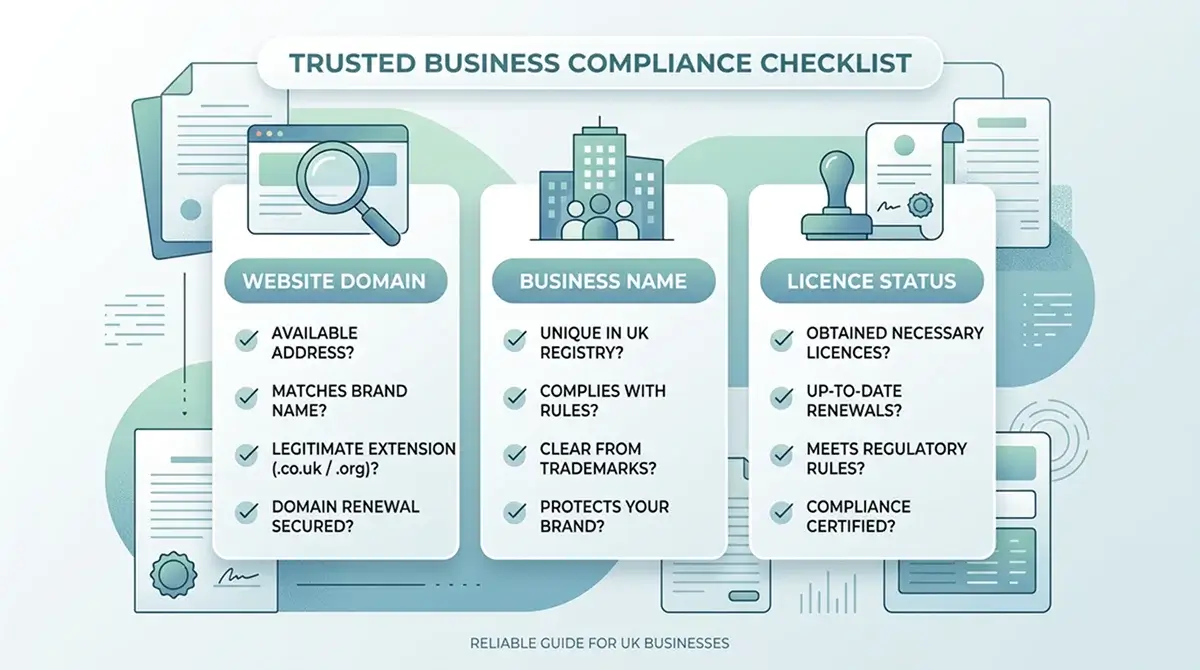
Payment and verification disputes can overlap with bonus terms, account closures and voided bets. When the issue is really about an offer, read the bonus terms and complaint steps guide. When the issue starts with uncertainty about who runs the website, return to the licence and domain check. Keeping those questions separate makes the problem clearer and reduces the chance of chasing the wrong answer.
If deposits are becoming hard to control
If you are making repeated deposits, chasing losses, borrowing to gamble, hiding activity or looking for a payment route after a bank block, the issue is no longer just about terms. It is about harm and control. A bank gambling block, self-exclusion or account restriction can be uncomfortable, but it may also be a useful barrier while you get help.
GamCare operates the National Gambling Helpline, and official guidance points readers to support organisations. The NHS also provides gambling support information. If the urge to deposit is strong, practical steps can include keeping the block active, moving away from the device, speaking to someone you trust, contacting support, and avoiding new account searches while the urge is high.
Official pages to use yourself
- Gambling Commission customer identity verification condition
- Gambling Commission guidance on preventing credit-card use
- Gambling Commission information on protecting customer funds
- ICO guidance on privacy information
- Gambling Commission guide to complaining about a gambling business
If a site refuses to process your legitimate winnings, you must understand the proper complaint steps and account issue resolution procedures.
Always prioritize platforms that are transparent about their financial rules, as highlighted in our main independent UK casino guide.
Created by the "Casino not on Gamstop" editorial team.