UK Casino Self-Exclusion Rules and Gambling Protection
 Available in US
If you are looking at gambling sites because GAMSTOP, a bank gambling block, an account closure or another protection tool is stopping you, the safest next step is not another account. The safer step is to keep distance from gambling while the urge is strong and use support that is designed for this exact moment. This page explains verified support routes in plain language and does not describe ways to get around self-exclusion, bank blocks or blocking software.
There is no shame in needing a stronger barrier. Gambling can become hard to control for many reasons: stress, debt pressure, chasing losses, habit, advertising, loneliness or a sudden urge after a win or loss. A protection tool may feel frustrating at the time it works, but that interruption is often the point. It gives you time to pause, speak to someone and reduce immediate financial risk.
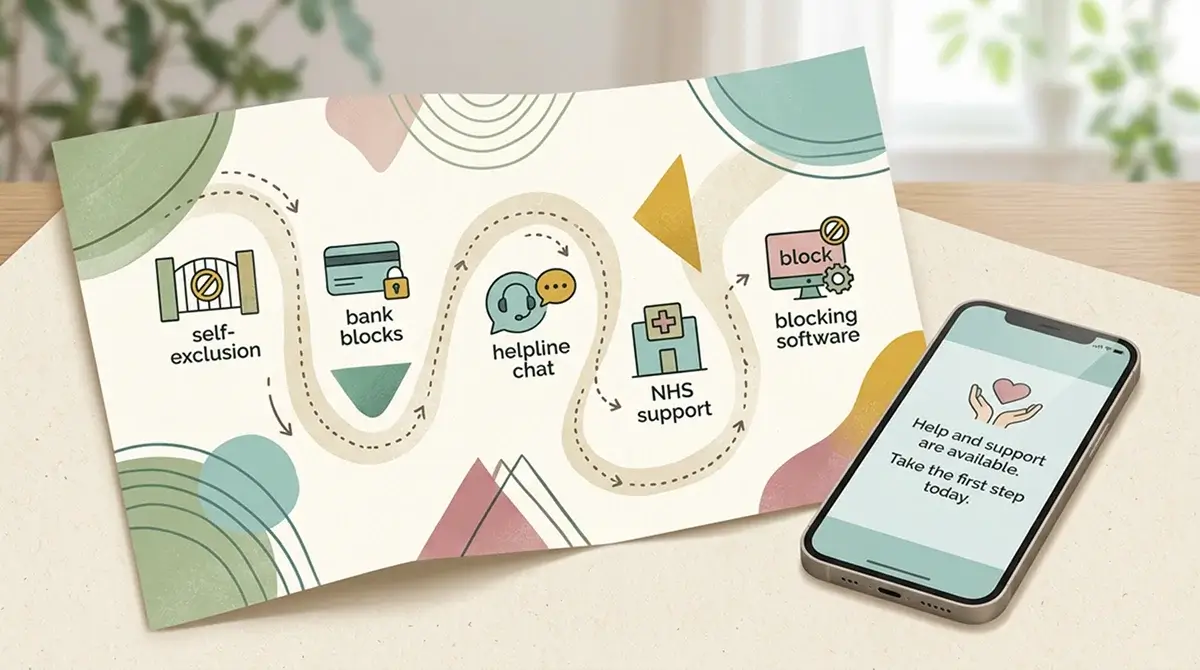
Table of Contents
UK Casino Self-Exclusion Methods and Account Protection
GAMSTOP Online is an official self-exclusion route for gambling websites and apps run by businesses licensed in Great Britain. The Gambling Commission also explains self-exclusion as a way to ask gambling businesses to prevent you from gambling with them for a chosen period. The purpose is not to create a minor inconvenience. It is to put a practical barrier between you and online gambling when you have decided that access needs to be reduced.
That context matters when the phrase “not on GAMSTOP” appears. If a person is self-excluded, looking for a gambling site outside that system can undo the protective gap that the exclusion was meant to create. This page will not help with that. It will help you think through support, blocks, account controls and next steps that reduce harm rather than increasing exposure.
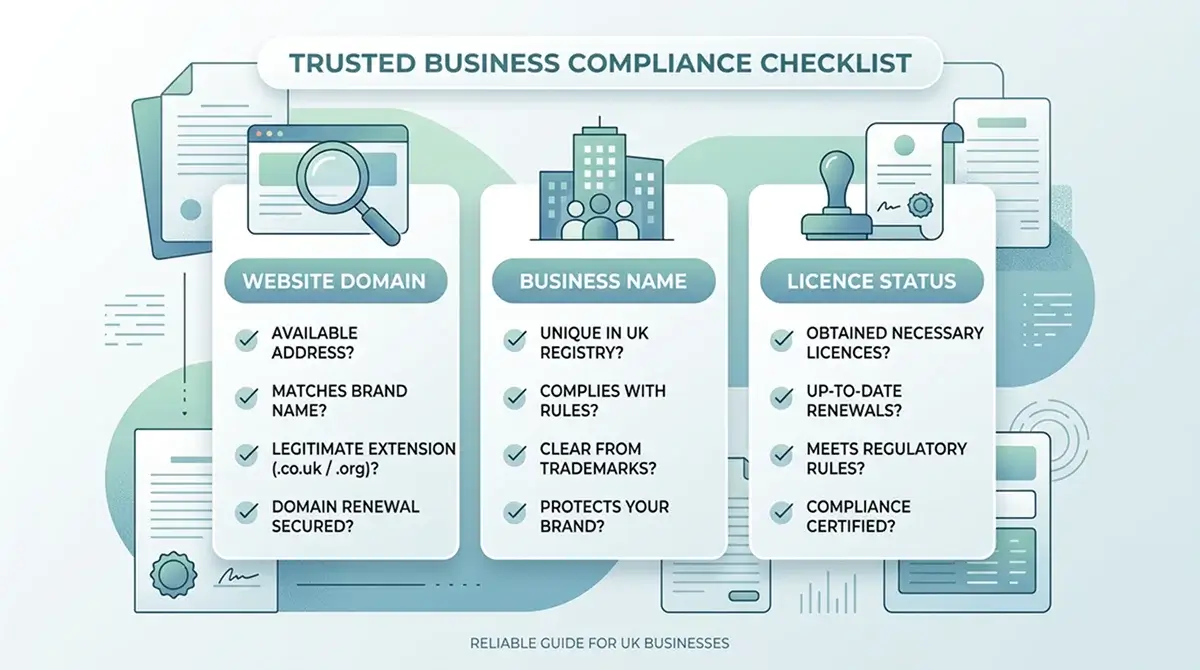
If you are not self-excluded and are only trying to understand a label, read the plain meaning guide. If you are comparing a business identity or domain, read the licence and domain checking guide. This page stays focused on protection and help.
Support routes you can use
The National Gambling Helpline, operated by GamCare, is described by official and help-provider pages as free and confidential, with support by phone and live chat around the clock, every day of the year. GamCare also provides online information and support tools. NHS guidance explains that gambling can harm relationships, physical and mental health and finances, and it signposts gambling support through health routes.
Use these routes early, not only when the situation feels severe. A useful conversation can be about urges, debt worry, repeated deposits, arguments, secrecy, missed bills, sleep, anxiety, or the feeling that you are gambling to fix gambling losses. You do not need to prove that your situation is “bad enough” before asking for help.
It can also help to involve one trusted person. That person does not need to solve everything. They can sit with you while you set a bank gambling block, help you avoid logging into gambling accounts, keep you company during an urge, or make sure you follow through on a support contact. The practical aim is to make the next risky step less automatic.
Route map for common situations
| Situation | Safer next step | Why this route helps |
|---|---|---|
| You are already self-excluded and want to gamble anyway. | Do not open another account. Use GAMSTOP information, GamCare support or the National Gambling Helpline while the urge is active. | The protection tool is doing its job by interrupting access at a high-risk moment. |
| A bank gambling block is stopping a deposit. | Keep the block in place and ask your bank what support or cooling-off options it offers. | Bank blocks are designed to add friction before money leaves the account. |
| You are chasing losses or trying to win back debt. | Pause deposits, tell a trusted person and contact gambling support before making another payment. | Chasing losses can turn a financial problem into a larger one very quickly. |
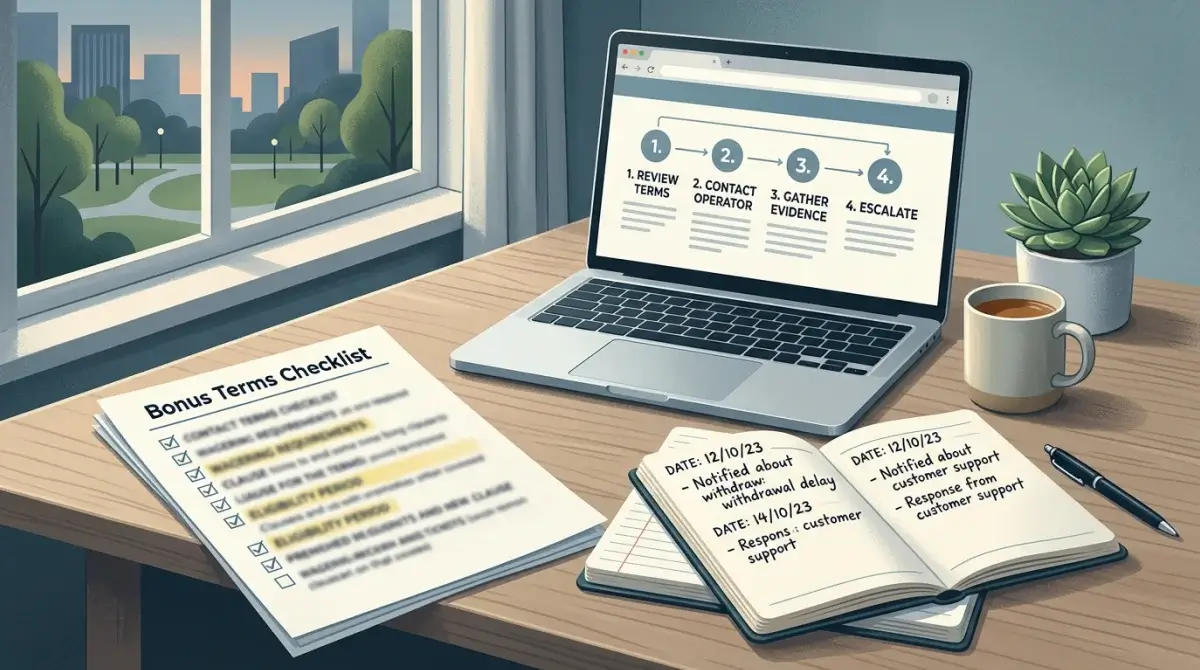
| You are worried about documents, withdrawals or a locked account. | Keep evidence and read the payments and verification guide or the complaint steps guide. | A factual record helps with account issues without pushing you toward more gambling. |
| You feel distressed, secretive or unable to stop thinking about gambling. | Use the National Gambling Helpline or NHS support information, and consider asking someone to stay with you during the urge. | Support is not only for emergencies; it can help interrupt the cycle before the next deposit. |
Bank gambling blocks and blocking software
GamCare describes bank gambling blocks and blocking software as additional tools. A bank gambling block can help stop gambling payments from leaving an account, while blocking software can help reduce access to gambling websites or apps. Availability, setup details and delay periods depend on the bank or tool, so use the provider’s own instructions rather than a third-party summary.
Do not treat a failed deposit as a problem to solve by changing payment method. Treat it as a pause point. If the block was set because gambling had become risky, trying to route around it can remove the very protection that was chosen earlier. A useful next step is to make the block stronger where possible, ask the bank about related support, and add software or account-level restrictions so the barrier is not only in one place.
Blocking tools are not magic and they do not replace support. They are practical friction. They work best when combined with self-exclusion, bank support, helpline contact, trusted-person involvement and changes to routine during high-risk times. For example, some people need a plan for evenings, paydays, drinking, stress after work, or the period after a gambling advert appears.
Financial limits on GB-licensed accounts
For GB-licensed gambling accounts, the Gambling Commission announced rules requiring customer-led financial limit prompts before a first deposit from 31 October 2025, with further deposit-limit consistency rules listed for 30 June 2026. These rules belong in the GB-licensed account context. They should not be used to assume that an overseas-looking site or a site promoted as outside GAMSTOP offers the same protection.
A deposit limit can be helpful, but it is not the same as self-exclusion. A limit may reduce the amount at risk while access remains open. Self-exclusion is a stronger access barrier. If you repeatedly raise limits, wait for blocks to expire, look for another account or feel driven to deposit as soon as money arrives, a limit alone may not be enough. That is the point to use external support and stronger blocks.
How to make the next hour safer
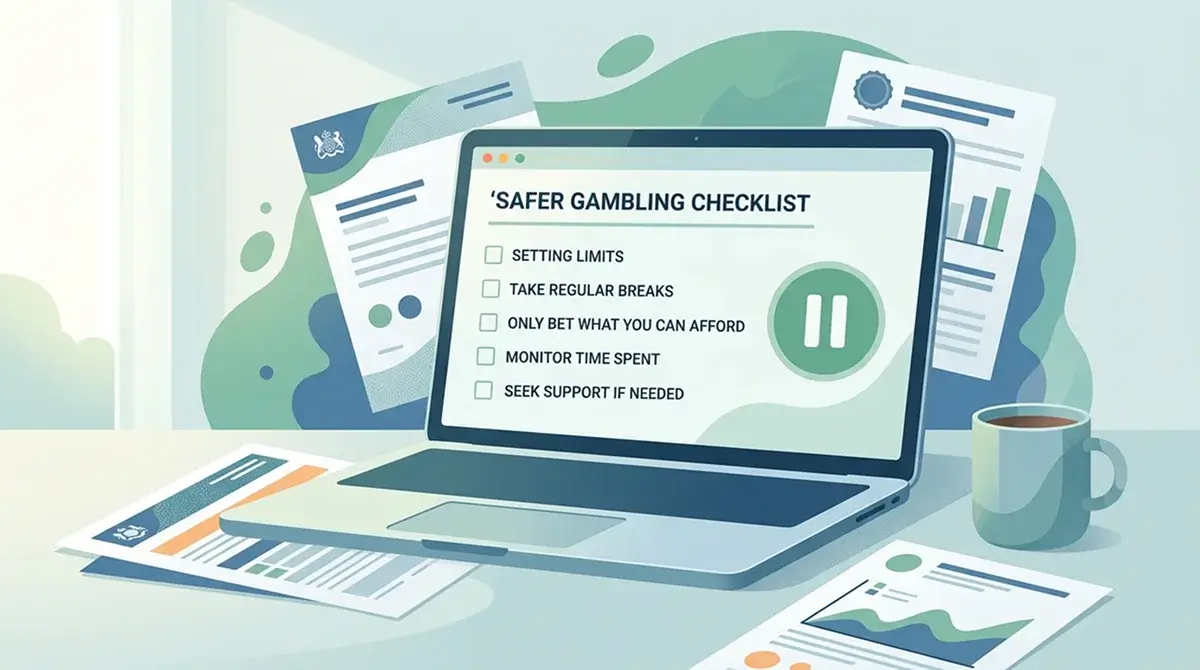
- Stop the payment step. Close the deposit page and avoid testing another payment method.
- Move the phone or laptop away from private use. Sit somewhere less automatic, or ask someone to keep you company.
- Use one support route now. Open GamCare, the National Gambling Helpline information or NHS gambling support information before returning to any gambling site.
- Strengthen one barrier. Check GAMSTOP, a bank gambling block, account limits or blocking software, depending on what is already in place.
- Write down the trigger. Note whether it was debt, boredom, anger, an advert, a payday, a win, a loss or an account dispute. That pattern is useful for support conversations.
This is deliberately simple. During an urge, a complicated plan can fail because it asks too much. A safer hour is often built from small actions: no deposit, one support contact, one stronger barrier and one person who knows what is happening.
What this page does not do
This page does not diagnose anyone, promise a treatment outcome or give legal advice. It also does not list gambling sites, recommend alternatives or explain how to avoid protection systems. If a protection tool is blocking gambling, that block should be treated as useful information. It shows that a previous decision or safety measure is trying to reduce access.
If your immediate issue is a complaint, payment or document problem, you can still keep the support route separate from the account issue. Save evidence, use the business complaint process where relevant, and avoid using another deposit or promotion as a way to feel back in control. Support and practical complaint handling can happen together.
Official and recognised pages to use yourself
- Gambling Commission page on free multi-operator and national self-exclusion schemes
- Gambling Commission information on self-exclusion
- Gambling Commission page on organisations that can help
- GamCare and National Gambling Helpline information
- NHS information on gambling addiction and support
- GamCare information on bank gambling blocks
- GamCare information on blocking software
If you are considering bypassing these blocks, it is vital to fully grasp what a casino not on GAMSTOP actually means regarding your lack of legal protection.
We strongly encourage players struggling with control to utilize the resources listed on the NoGamStopLive homepage rather than seeking loopholes.
Created by the "Casino not on Gamstop" editorial team.