UK Casino Bonus Terms and Player Complaint Steps
 Available in US
A gambling offer is only useful if the conditions are clear before you act. A large headline, a short countdown or a simple phrase such as free spins can hide the parts that matter most: who can use the offer, what has to happen before winnings can be withdrawn, which games count, what identity checks apply, and how the business handles disputes. This page is not a bonus list and it does not recommend a gambling site. It shows how to read terms, keep evidence and follow a careful complaint route if a promotion, account restriction or delayed response becomes a problem.
The same practical approach applies whether the dispute is about a bonus, a voided bet, a closed account, delayed identity checks or a payment that has not arrived. Start with what the business promised, what the full terms say, what happened on the account and what official complaint route is available. Avoid turning a confusing account issue into a guess about the law, and avoid chasing another offer as a way to solve a gambling loss.

Table of Contents
- Reading UK Casino Bonus Terms and Wagering Requirements
- Offer-term checks before you use a promotion
- Common dispute triggers
- Evidence to keep before raising a complaint
- A careful complaint decision path
- When ID or payment wording is the real issue
- If the complaint is tied to gambling pressure
- Official pages to use yourself
Reading UK Casino Bonus Terms and Wagering Requirements
UK advertising guidance for gambling promotions says bonus offers should be clear, accurate and not misleading, with significant terms and full terms accessible. That is a useful standard for ordinary readers as well as advertisers. Do not stop at the headline value. Look for the conditions that would change the real value of the offer or your ability to withdraw money after using it.
A careful reading starts with the significant terms shown near the promotion, then moves to the full terms linked from the account or offer page. If a condition affects eligibility, qualifying deposits, stake size, game contribution, withdrawal, expiry, identity checks or account closure, it is too important to ignore. The term may be written in several places, so save the full page or take dated screenshots before opting in. Terms can be updated, pages can disappear and chat messages can be hard to retrieve later.
Do not assume that a promotion is fair because it looks common. Also do not assume it is unfair because it is complicated. The safer first step is to write down the promise you understood, find the exact term that controls it, and decide whether the condition was clear enough before you deposited or placed a bet. That record is useful if you later need to raise a complaint.
Offer-term checks before you use a promotion
| Term to check | Question to ask | Why it matters |
|---|---|---|
| Eligibility | Does the offer apply to your account, location and account history? | A dispute can start when a person assumes a public offer applies to them, but the account terms say otherwise. |
| Opt-in and timing | Do you need to opt in before depositing or betting, and is there an expiry time? | A missing opt-in or expired offer can change how deposits, bets or spins are treated. |
| Wagering or play conditions | What must happen before promotional funds or related winnings can be withdrawn? | The headline value may not be the amount you can immediately take out. |
| Game and stake limits | Are some games excluded, partly counted or subject to stake limits? | A bet that feels ordinary to the player may still breach a promotion term. |
| Identity checks | What documents or details may be needed, and when can the business ask for them? | Verification disputes often appear at withdrawal time, so the document wording should be read early. |
| Complaint route | Where does the business explain how to complain and what response process it uses? | A clear route helps you avoid scattered messages and creates a proper record. |
Common dispute triggers
Official Gambling Commission guidance describes common gambling-business complaint areas such as winnings, payments, terms and conditions, bonus offers, ID verification, account closure, voided bets, IT issues and customer service. Those categories show why bonus disputes often overlap with account and payment issues. A person may think the complaint is only about an offer, while the business says the problem is an identity check, a term breach, a voided bet or an account restriction.
Separate the issue into parts before sending a complaint. If the dispute is about a promotion, identify the exact offer and the term being applied. If it is about ID, list what the business asked for and when you supplied it. If it is about a withdrawal, note the payment date, method, reference and any account messages. If the account was closed or bets were voided, keep the message that explains the reason and the term the business relies on.
This structure keeps the complaint readable. It also reduces the risk of making a broad accusation that is not supported by the documents. A calm, dated complaint with the relevant terms attached is usually stronger than a long message written while angry, especially if the matter later has to be reviewed outside the business.
Evidence to keep before raising a complaint
- The full promotion terms and the shorter significant terms shown near the offer.
- Account messages, chat transcripts and email replies, including dates and times.
- Deposit, bet and withdrawal records that relate to the dispute.
- Copies of document requests and confirmation messages, without sharing sensitive documents publicly.
- The business name, trading name and website domain used for the account.
- The page that explains the business complaint procedure and any reference number issued after you complain.
Keep evidence in a place you control. Do not rely only on an inbox inside the gambling account. If the account is restricted, closed or unavailable, you may lose easy access to those messages. When sharing evidence with a complaint route, send only what is relevant and avoid posting personal identity documents or payment details in public forums.
A careful complaint decision path
- Read the term being applied. Start with the business terms and the promotion wording. Write down the exact rule that seems to be in dispute.
- Save the account evidence. Keep dated copies of offer pages, messages, transactions, document requests and any explanation given by the business.
- Check whether the issue is really about identity or payment. For GB-licensed remote gambling businesses, customer identity checks include name, address and date of birth before gambling. If verification is central to the dispute, read the account’s document and withdrawal wording carefully.
- Contact the business through its complaint route. Use the stated complaints process rather than scattered chat messages. Keep the complaint short, factual and dated.
- Record the response and any silence. Note reply dates, reference numbers and what the business says it will do next.
- Consider ADR only after the business route where applicable. Official guidance describes alternative dispute resolution as a later step after the business procedure, including when the matter reaches the relevant time point or the business issues a deadlock response.
This path is not legal advice and it does not predict an outcome. Its purpose is to make the issue clear enough that you, the business and any later complaint reviewer can see what happened and which term is being relied on.
When ID or payment wording is the real issue
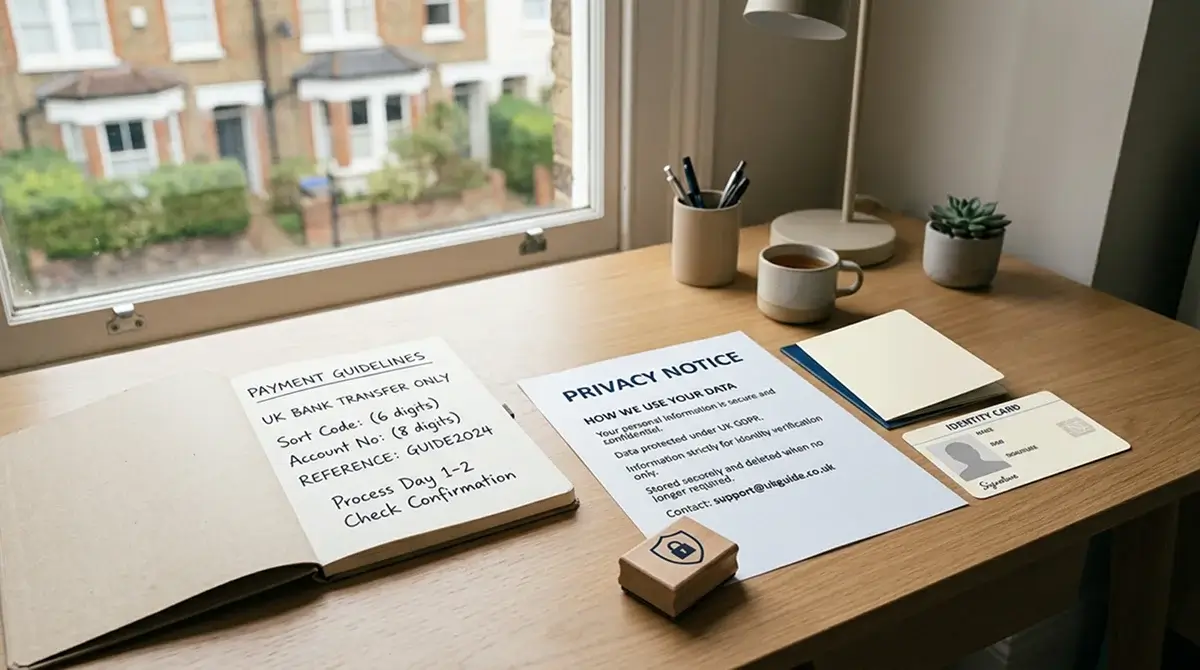
Some promotion disputes are actually verification disputes. A person may use an offer, win or request a withdrawal, then be asked for documents. In a GB-licensed context, identity verification is part of the rules for remote gambling businesses, not an unusual extra. The problem to check is whether the business clearly explained document requirements, handled the account consistently and applied terms that were available before the customer acted.
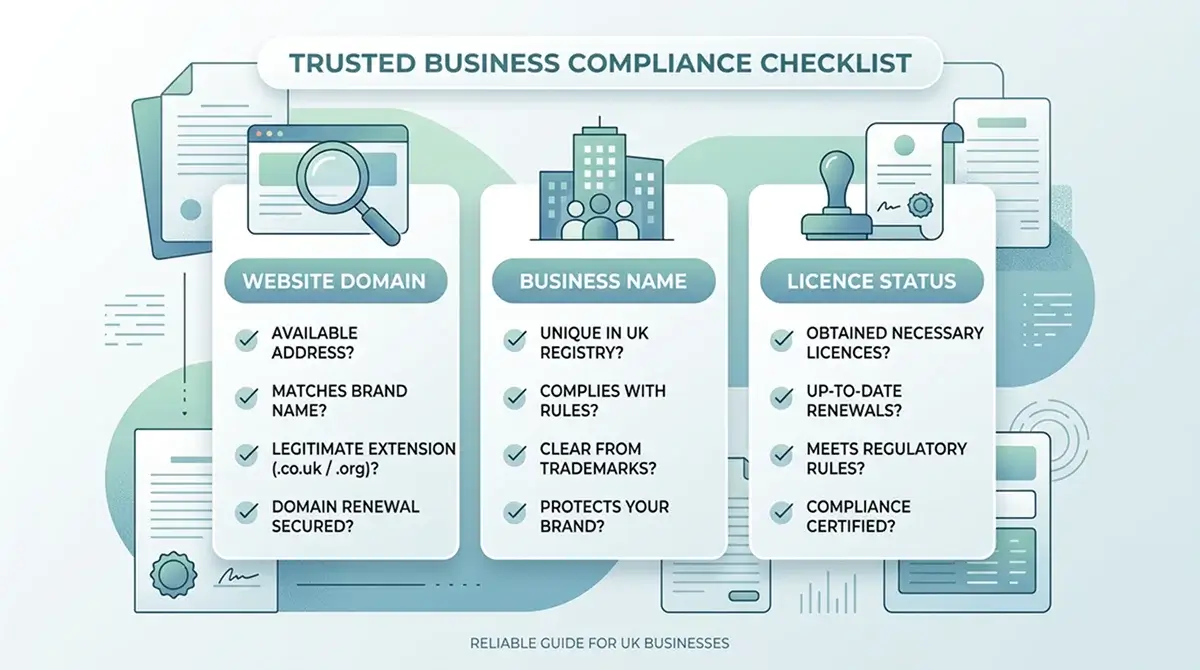
Do not treat “no verification” messaging as automatically safer. A site that downplays identity checks may still ask for documents later, and a weak identity process can create wider risks around age checks, fraud prevention, withdrawals and account ownership. For more detail on money and documents, use the payments, ID checks and withdrawals guide. If the business identity or domain itself is unclear, use the licence and domain checking guide before sending more data.
If the complaint is tied to gambling pressure
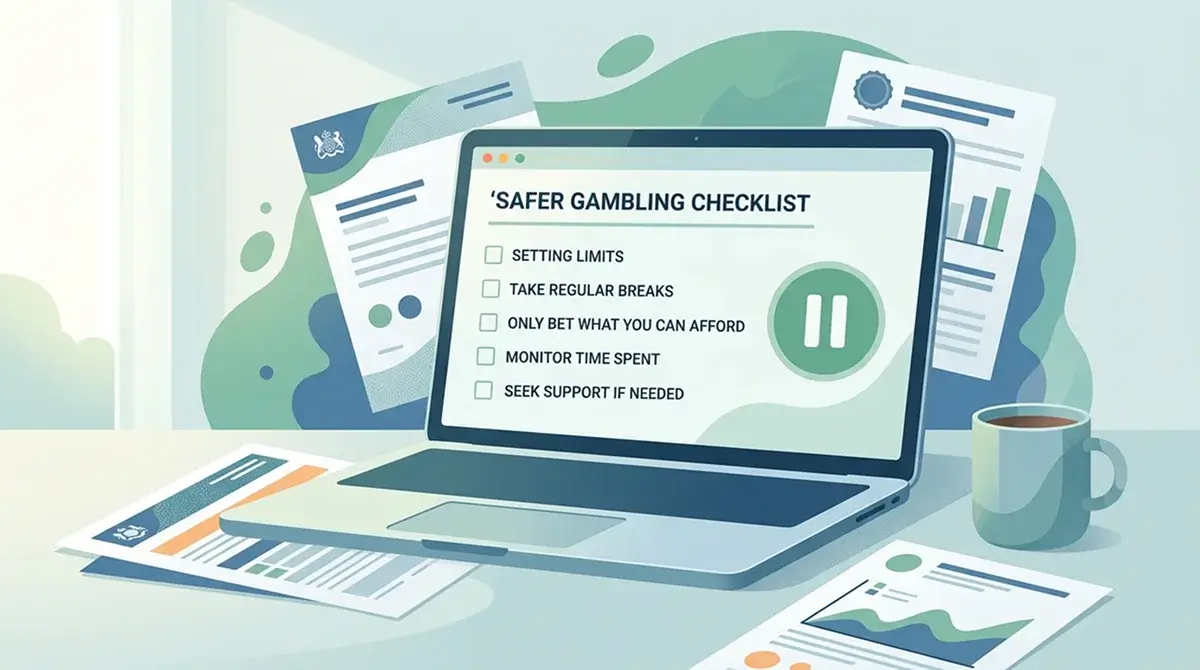
A complaint can be financially and emotionally intense, especially when it involves repeated deposits, chasing losses or trying to win back money through another offer. If that is the situation, another promotion is not a solution to the complaint. It may increase the harm while the original issue remains unresolved.
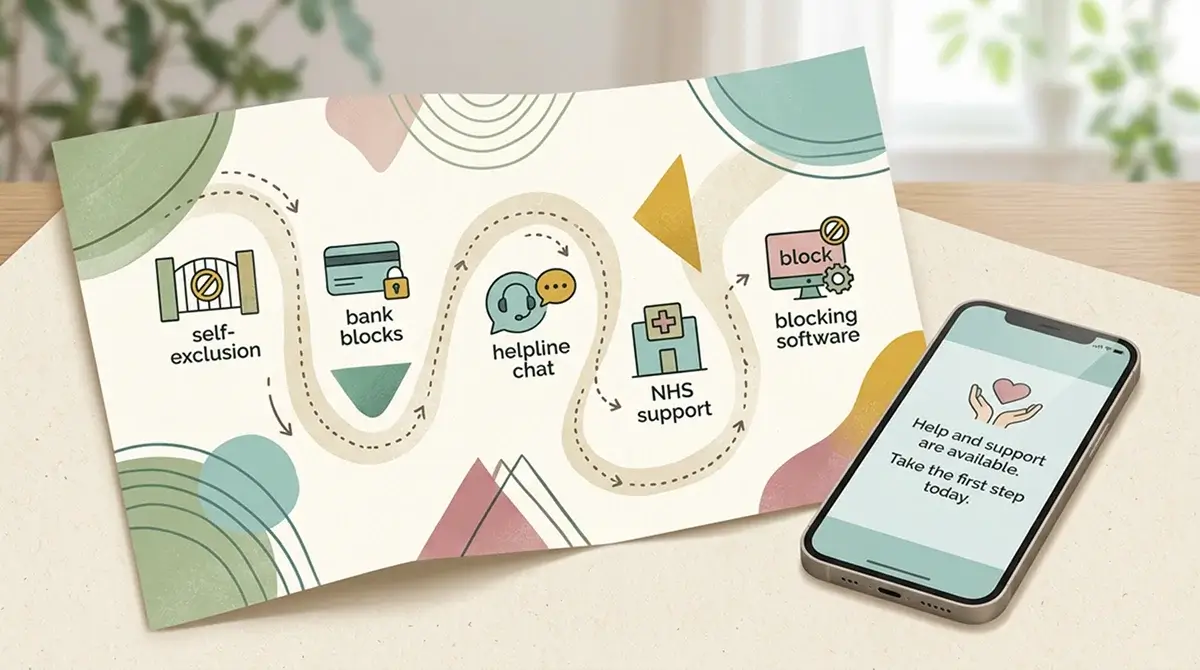
If gambling is feeling difficult to control, use support routes before opening more accounts or making another deposit. The self-exclusion, bank blocks and gambling support guide explains verified help options and protective tools in a non-judgmental way. Keeping a complaint factual and pausing further gambling can both be useful at the same time.
Official pages to use yourself
- ASA/CAP advice on gambling free bets and bonuses
- Gambling Commission guide to complaining about a gambling business
- Gambling Commission steps on how to complain
- Gambling Commission information on alternative dispute resolution
If disputes over money are causing you significant distress, it might be time to explore self-exclusion and bank blocks to take a necessary break from gambling.
Protecting your funds and mental health is the core mission of our trusted gambling safety portal.
Created by the "Casino not on Gamstop" editorial team.