UK Non GamStop Casino Meaning and Licensing Features
 Available in US
The phrase “casino not on GAMSTOP” is usually used to describe an online gambling site that is presented as being outside the GAMSTOP self-exclusion system used by gambling businesses licensed in Great Britain. That wording matters because it is not a normal feature label like “live games” or “mobile friendly”. It points directly to questions about licensing, identity checks, player protection and whether a person is trying to keep gambling after a self-exclusion or another block has been put in place.
This page explains the meaning of the phrase in plain language. It does not list casinos, rank sites, describe bonuses or show ways around a self-exclusion. The useful answer is simpler and more protective: understand what the label can imply, check official information before trusting a gambling website, and pause if the reason for looking is that a protection tool is stopping you from gambling.
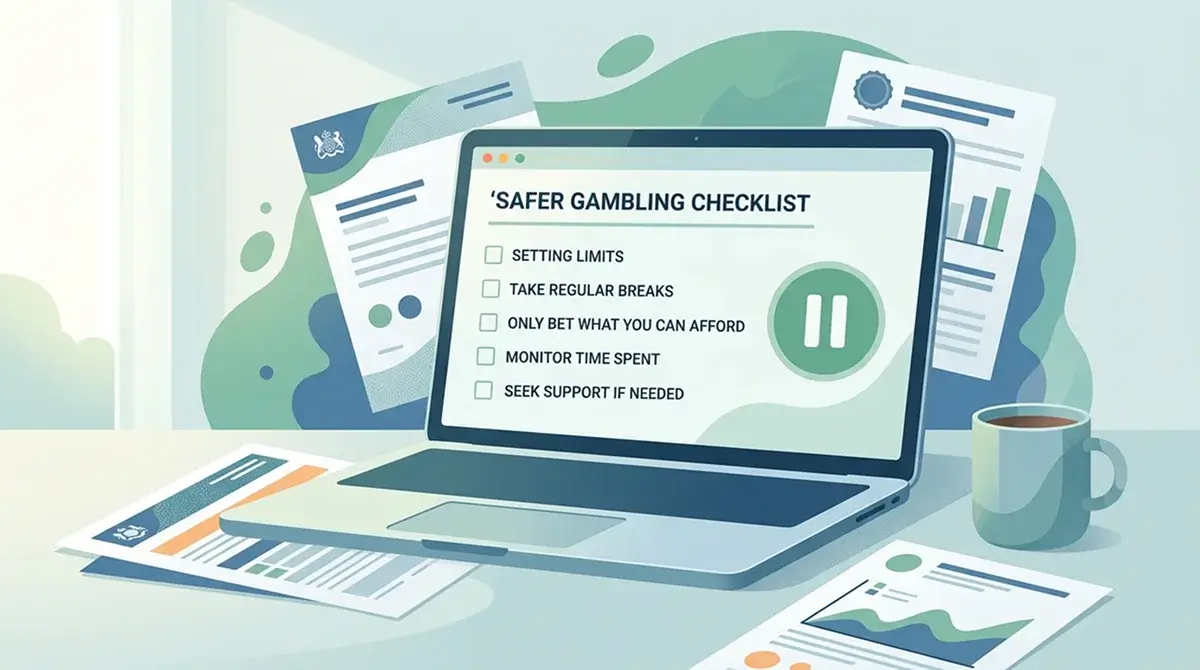
Table of Contents
The Exact Meaning of Non GamStop Gambling Sites
In a UK context, the wording normally suggests that a gambling site is not part of the GAMSTOP Online self-exclusion route. GAMSTOP Online is an official self-exclusion route for gambling websites and apps run by businesses licensed in Great Britain. The Gambling Commission announced that all online gambling operators licensed in Great Britain were required to participate in GAMSTOP from March 2020. That is why the phrase should immediately raise a licensing question rather than a buying question.
A reader may see the wording in an advert, forum post, comparison page or social media discussion. Sometimes it is used casually, sometimes it is used to make a site sound more open to restricted players, and sometimes a person may not know what the licensing consequences could be. The important point is that the label alone does not prove who runs the site, what licence it relies on, whether it follows GB rules, how it handles money, or what happens if an account dispute begins.
For that reason, the phrase should be treated as a warning to slow down. A normal gambling decision might focus on games, account features or price-like terms. A non-GAMSTOP claim should shift attention to basic protection questions: who is the legal operator, what official register can verify the domain, what identity checks happen, what safer-gambling tools are visible, and what route exists if something goes wrong.
Why GAMSTOP changes the context
Self-exclusion is designed to create distance between a person and online gambling. When someone uses a multi-operator route, the point is not just to close one account. The point is to reduce access across participating gambling websites and apps. That is why a page or advert that appears to celebrate being outside GAMSTOP should not be read as a harmless convenience.
The same phrase can mean different things in different situations. One reader might simply be trying to understand a term they saw. Another might be comparing licensing claims. Another might be self-excluded, blocked by a bank gambling block, or worried that gambling has become hard to control. The safest wording does not assume the reader’s motive. It explains the checks and makes clear that protection tools should not be treated as obstacles to beat.
The Gambling Commission has described potential indicators of illegal online gambling activity, including no ID or age verification, no visible safer-gambling tools and sites being taken down. Those indicators are not a shortcut for making a legal judgment about a specific website, especially when no named site has been checked. They are practical warning signs. If a gambling website uses non-GAMSTOP wording and also hides who runs it, avoids identity checks, gives weak safer-gambling information or changes domains often, the safer response is to step back rather than deposit.
What the label might suggest and what to check next
| What the wording may suggest | What to verify before trusting it | Useful next page |
|---|---|---|
| The site is presented as outside GAMSTOP. | Check whether the business and domain appear on an official register, and whether the details match what the website says. | How to check an online casino licence and domain |
| The site makes identity checks sound optional or delayed. | Read the account terms, verification wording and withdrawal conditions before sharing money or documents. | Payments, ID checks and withdrawals |
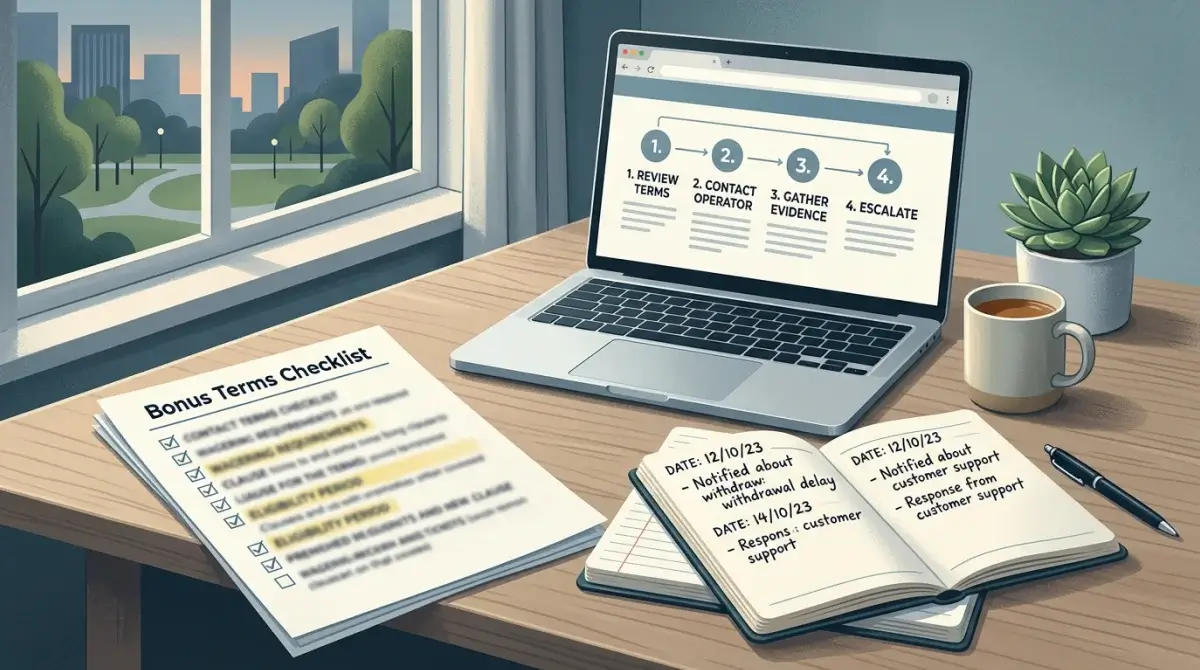
| The site promotes a large offer or easy access. | Look for clear significant terms, full terms, complaint information and evidence you can save. | Bonus terms and complaint steps |
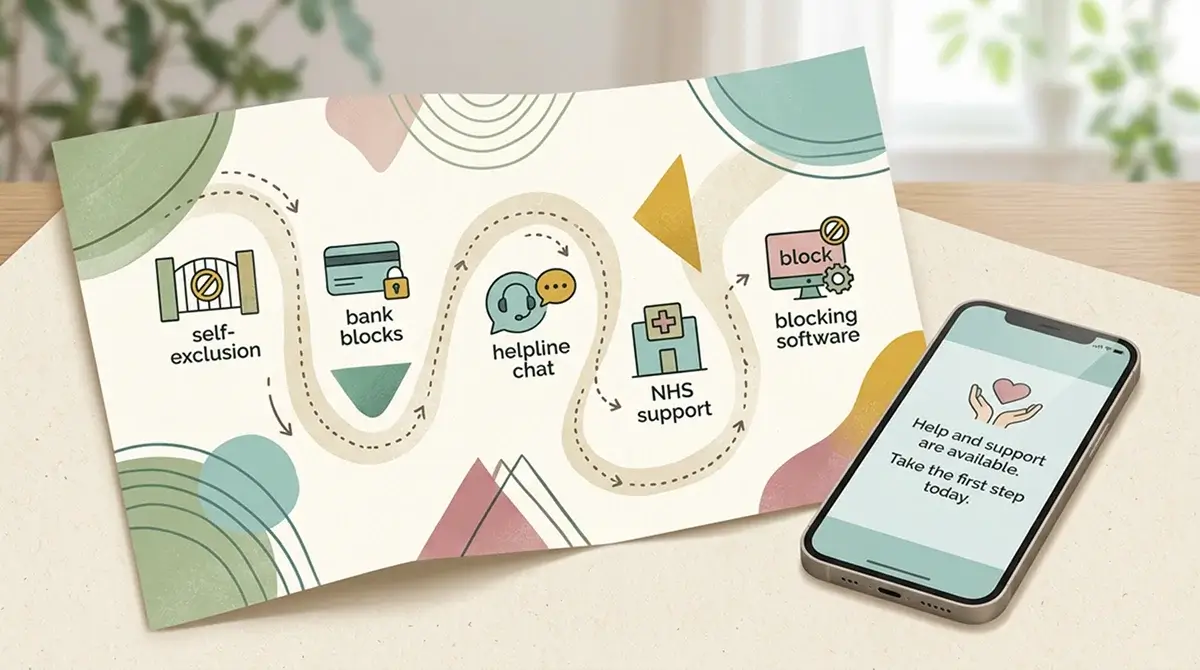
| You are looking because a self-exclusion or bank block is active. | Pause the gambling decision and use support routes designed for that situation. | Self-exclusion, bank blocks and gambling support |
First pause points before any deposit
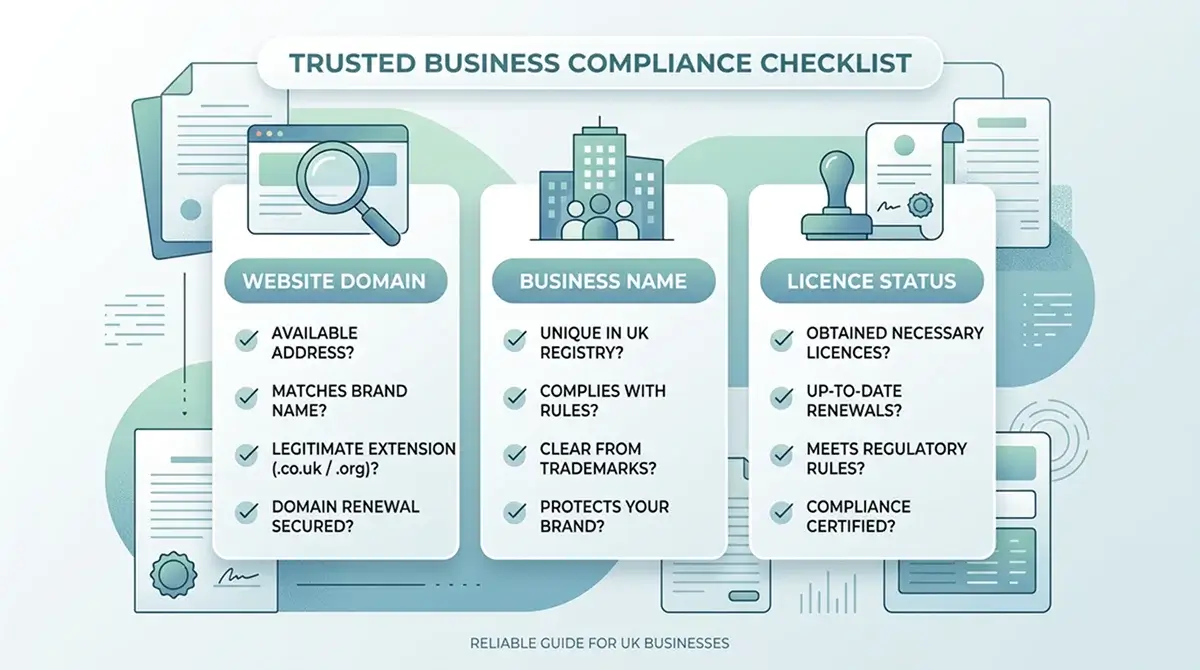
A clear first check is whether the website tells you the legal name of the business, the licence details it relies on, the domain it is authorised to use, the terms for withdrawals, and the route for complaints. If those details are hard to find, inconsistent or written in a way that avoids responsibility, that is not a detail to ignore. It affects how easy it may be to resolve problems later.
- Do not rely only on a badge in the footer. A copied badge, a partial licence number or vague wording is not the same as a match on an official register.
- Do not treat “no verification” as a benefit. Identity and age checks are connected to consumer protection, safer gambling and fraud prevention.
- Do not assume a withdrawal will be simple because a deposit was accepted. Withdrawal rules, identity checks and account restrictions often matter most after money is already inside the account.
- Do not treat a new domain as proof that an old problem has disappeared. A domain change can make accountability harder to follow.
- Do not use a gambling site as a way to test whether a block or self-exclusion can be bypassed. That is the moment to use support, not another gambling route.
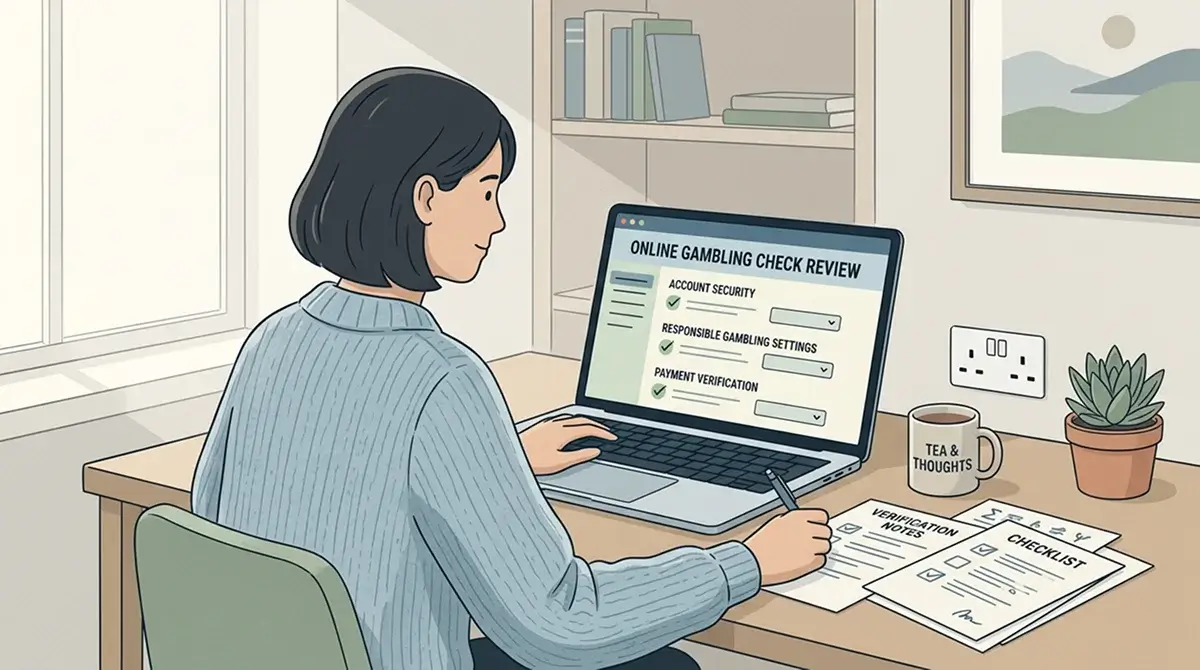
These checks are deliberately basic. They are not a full legal review and they do not prove that any unnamed site is safe or unsafe. They help a reader avoid making a decision based only on a phrase that may be used to attract people who are already vulnerable, blocked or unsure about the rules.
If a protection tool is the reason you are looking
If you are searching because GAMSTOP, a bank gambling block, an account closure or another restriction is stopping you from gambling, the most useful next step is not to find another place to play. It is to keep the protective gap in place and get support while the urge is strong. A self-exclusion can feel frustrating in the moment, but it exists to interrupt a pattern that may be causing harm.
The National Gambling Helpline, operated by GamCare, is described by official and help-provider pages as free and confidential, with phone and live chat support available around the clock. The NHS also provides information about gambling-related harm and support. You can also read about GAMSTOP and other self-exclusion routes through official Gambling Commission guidance. If you are worried about debt, repeated deposits or chasing losses, it is reasonable to involve a trusted person, bank support, debt advice or a health professional rather than keeping the problem private.
None of this is meant to shame the reader. People look for non-GAMSTOP wording for many reasons, including confusion, habit, urgency, advertising pressure and loss of control. The practical question is what next step reduces risk. When gambling is already restricted for you, the lower-risk answer is support and distance, not another account.
What this page does not decide for you
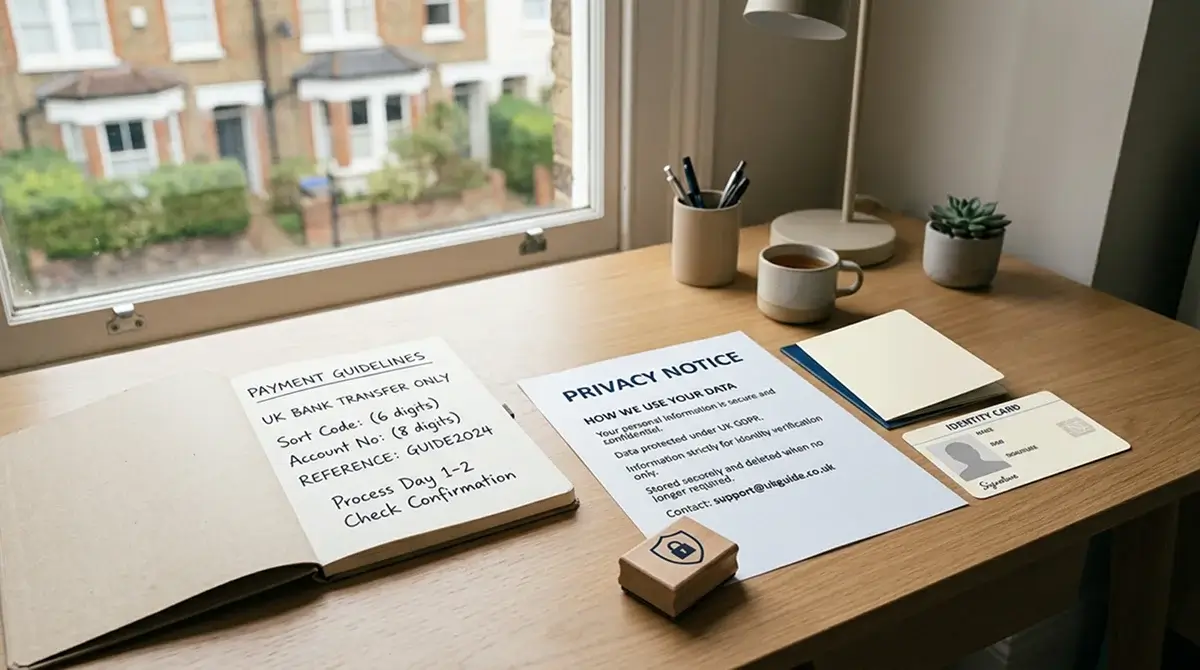
This page does not say that every website using the phrase has the same legal status. It also does not tell you that a site is safe because it has a professional design, a familiar game layout or a confident claim in its footer. Those details can be checked only against official information and clear terms. The dedicated licence page explains how to compare a business name, trading name, domain and status; the money page explains what to read before you send payment details or identity documents.
The most reliable use of this page is as a first filter. If the phrase is new to you, now you know why it raises questions. If you were treating it as a sign of easier access, now you know why that can be risky. If you are self-excluded or blocked, now you have a safer direction to follow. The next useful move is either an official check or support, not a search for a list of places to gamble.
Official pages to use yourself
- Gambling Commission announcement on GAMSTOP participation for GB licensed online operators
- Gambling Commission information on self-exclusion
- Gambling Commission page on organisations that can help
- GamCare and the National Gambling Helpline
Before trusting any platform with your personal details, it is highly recommended to learn how to check an online casino licence and domain to ensure your safety.
For a complete overview of player protection, always consult a reliable UK guide to casinos outside GAMSTOP before registering an account.
Created by the "Casino not on Gamstop" editorial team.